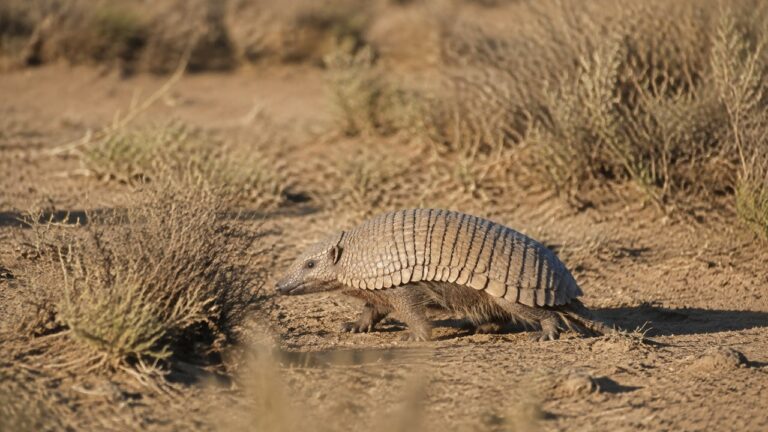
Two armadillos are especially relevant to wildlife watchers in the extra-Andean landscapes of Chubut: the pichi and the large hairy armadillo. Both occur in central Patagonia and dig burrows in dry ground, but they differ in size, armor, visible hair and seasonal activity. In Península Valdés they are possible roadside or steppe sightings, not animals that gather at a predictable public viewpoint.
The pichi is smaller, compact and edged with sharply pointed scales. The large hairy armadillo is heavier, visibly hairier and more powerfully built. Good identification requires a complete look; a moving armored back half-hidden in scrub can be difficult to judge.
Pichi vs large hairy armadillo
| Feature | Pichi | Large hairy armadillo |
|---|---|---|
| Scientific name | Zaedyus pichiy | Chaetophractus villosus |
| Build | Smaller and compact | Larger and robust |
| Best visual clue | Pointed marginal scales around the shell | Coarse hairs projecting from and below the armor |
| Cold-season strategy | Can hibernate and use torpor | Remains active but adjusts timing and burrow use |
The pichi: Patagonia’s small armored specialist
The pichi has a low, rounded shell and sharply pointed marginal scutes—a particularly useful identification feature when seen clearly. It inhabits dry shrublands and grasslands with soils suitable for digging. It is solitary, semi-fossorial and often active by day.
The pichi is exceptional among xenarthrans because it can enter true hibernation; it also uses daily torpor to conserve energy. This means winter detectability can be lower and activity strongly influenced by temperature. A visitor should never dig at a burrow to test whether it is occupied.
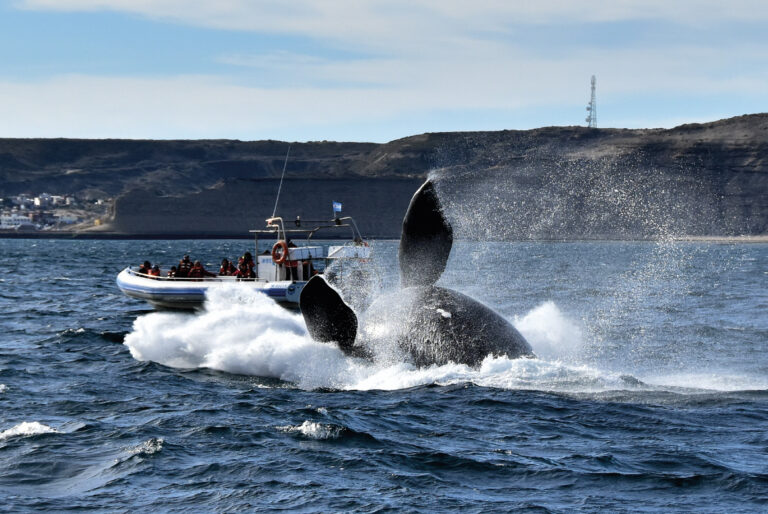
Classic Peninsula Valdes
Discover the natural wonders of Peninsula Valdés on this full-day adventure.
- Peninsula Valdes
From Price: USD 130
The large hairy armadillo
The large hairy armadillo has a broader, heavier appearance and conspicuous coarse hairs around the sides and underside of the armor. It digs to escape predators, search for food and regulate temperature. In hot summer conditions it may shift more activity into cooler hours.
Its diet is opportunistic and includes invertebrates, plant material, carrion and other available food. That flexibility can bring individuals toward disturbed ground or food waste, which is why campsites and visitor areas must keep rubbish secure.
Why armadillos dig
Burrows are shelter from temperature extremes and predators, places to rest, and part of the animals’ foraging strategy. The strong forelimbs and claws move soil rapidly. If threatened near an entrance, a pichi can wedge its armored body into the tunnel, making it difficult to extract.
Never touch or attempt to pull an armadillo from a burrow. Besides causing stress and injury, handling wildlife can expose people and animals to disease and violates the basic ethics of protected-area observation.
Where to look in Península Valdés and Chubut
Armadillos may cross quiet roads or forage in open steppe, sandy ground and low scrub. Look for a low moving shape, fresh digging and small burrow entrances, but do not assume every hole belongs to an armadillo. Pichis and large hairy armadillos are both documented in central Patagonia, including Chubut.
Visibility varies with temperature and time of day. Warm but not extreme conditions may produce daytime pichi activity, while large hairy armadillos can become more nocturnal in summer heat. Sightings from a normal daytime excursion are therefore possible but never guaranteed.
The verified overview of animals in Península Valdés by season helps place these resident mammals within the destination’s broader wildlife calendar.

Safe roadside observation
- Slow gradually and check mirrors before stopping.
- Stop only where the vehicle is completely clear of moving traffic.
- Do not stand between the animal and cover.
- Never move an armadillo across the road unless authorized wildlife staff direct you.
- At dusk, expect more than one type of animal to be active and reduce speed.
Photography tips
Armadillos are low to the ground and frequently partly hidden by vegetation. A telephoto lens and low focus point help, but remain on authorized surfaces. Use a shutter speed fast enough for constant walking and digging. Photograph side profiles when possible: the outline, marginal scales and visible hair are more useful for identification than a rear view.
Do not use food to lure an animal into the open. If it begins digging rapidly, freezes or turns repeatedly toward you, increase distance. The strongest images show the animal’s relationship with dry soil, burrows and steppe vegetation.
For general advice about respectful camera use, refer to the site’s Península Valdés wildlife photography guide.
Conservation and visitor responsibility
Road mortality, habitat alteration, hunting and persecution affect armadillos in different parts of their range. The pichi has received conservation concern because populations face multiple pressures and disease events. Even where an animal appears common, local conditions matter.
Visitors can help through simple decisions: drive slowly, leave burrows untouched, secure rubbish, avoid buying wildlife products and report injured animals to reserve staff rather than intervening independently.
When I build wildlife itineraries, I never promise an armadillo encounter. I do recommend leaving time for the quieter steppe observations that make such a sighting possible. A schedule focused only on famous coastal colonies can miss the small terrestrial animals that complete the ecosystem.
Small animals, major adaptations
The pichi’s pointed shell edge and cold-season energy strategy differ sharply from the large hairy armadillo’s robust body and flexible activity. Learning those differences makes even a brief roadside view meaningful—and reinforces why the correct response is to stop safely, watch quietly and let the animal disappear on its own terms.
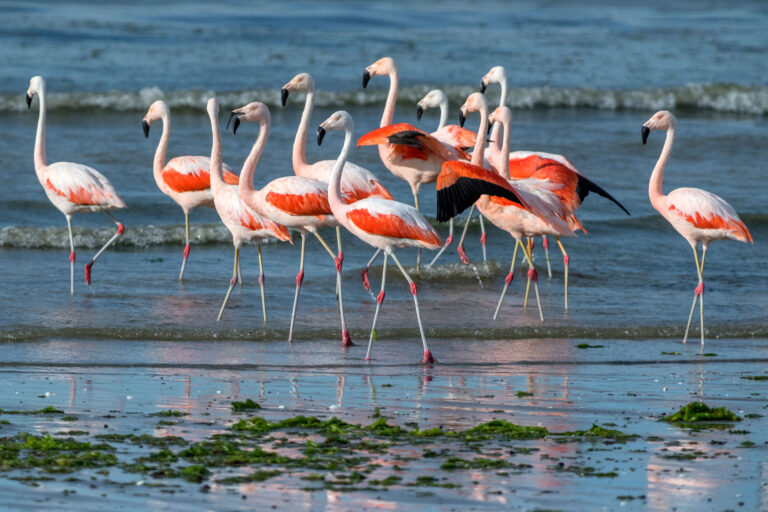
Birdwatching Whole Day Tour
Embark on a full-day birdwatching adventure in Patagonia, discovering the diverse avian species of the Peninsula Valdés region.
- Puerto Madryn
From Price: USD 1290
Fire & Sky in Patagonia
Savor local flavors and wine as the Patagonian sky lights up at dusk
- Peninsula Valdes
From Price: USD 890