Punta Norte is a public ranger unit at the northeastern tip of Península Valdés, reached by roughly 77 kilometers (48 miles) of mostly gravel road from Puerto Pirámides. Visitors observe the coast from marked trails and cliff-top viewpoints rather than entering the beach. The site has an interpretation center, ranger staff, public restrooms and accessible paths and observation areas.
Its reputation comes from a large breeding colony of South American sea lions and the possibility of seeing orcas use intentional stranding to hunt near shore. That behavior is extraordinary but never guaranteed. Punta Norte is worthwhile even without orcas: sea lions, visiting elephant seals, seabirds and the open Atlantic landscape make it one of the peninsula’s most important wildlife stops.
| Item | Current visitor information |
|---|---|
| Distance | About 77 km from Puerto Pirámides |
| Road | Long gravel approach; conditions vary with weather and maintenance |
| Visitor areas | Interpretation center, marked trails and designated viewpoints |
| Facilities | Rangers, public toilets and accessible paths/viewpoints |
| Current hours | 08:00–20:00; do not start the remote circuit after 18:00 |
Public-access details were verified from the Península Valdés administration on August 28, 2026. Reconfirm weather, roads, tides and opening status before the long drive.
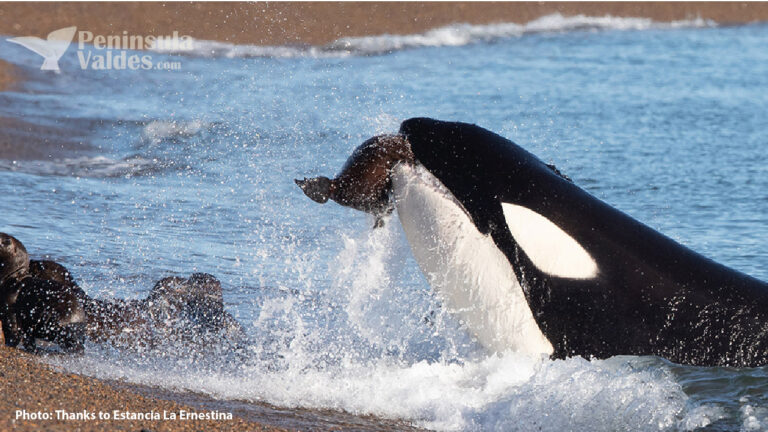
Orca Hunting in Peninsula Valdes: Estancia La Ernestina
Enjoy the amazing orca at the beaches of La Ernestina between March and May every year
Why visit Punta Norte?
Punta Norte was one of Chubut’s pioneering wildlife reserves, created in 1967 together with Isla de los Pájaros and Punta Loma. Today it protects one of Península Valdés’s representative sea lion breeding colonies and an Atlantic shoreline where elephants seals, orcas and many coastal birds may also be observed.
The site’s real value is the ability to watch natural behavior from a controlled distance. Visitors do not enter the colony. Trails lead from the interpretation area to overlooks above the shore, where binoculars and patient observation reveal more than a rushed photograph ever will.
How to get to Punta Norte
From Puerto Madryn, enter Península Valdés via Provincial Route 2 and stop at the Istmo Carlos Ameghino Visitor Center for current road and wildlife information. Continue through or around Puerto Pirámides, then follow the signed gravel circuit toward Punta Norte. The final approach is remote, and driving time can expand considerably when the road is corrugated, dusty or wet.
From Puerto Pirámides, the commonly published distance is approximately 77 kilometers. Leave with a full or sufficient fuel tank, water, food, a warm layer and an offline map. Puerto Pirámides is the last dependable service center before the northern circuit. There is little or no mobile signal on much of the route.
The protected-area administration advises against driving internal gravel roads after 18:00 and specifically warns visitors not to begin the trip toward Punta Norte, Punta Cantor or Punta Delgada after that time. The operational unit may stay open until 20:00, but that does not make a late arrival sensible: you still need daylight for the return drive.
Self-drive visitors should review the site’s guide to Península Valdés gravel-road conditions before deciding whether the route suits them.
Trails and observation areas
The public experience begins at the interpretation center, where signs introduce the colony, coastal ecology and the behavior visitors may see. From there, marked paths lead toward the observation areas. The official description identifies the trails and viewpoints as accessible to people with disabilities, and public restrooms are available.
Accessibility at a remote nature reserve should still be confirmed in practical terms. Gravel parking, wind, surface wear and the specific viewing platform can affect a traveler differently. If someone in your party uses a wheelchair, walker or needs assistance, contact the administration before departure and tell a tour operator in advance.
Do not leave the marked route to seek a better angle. Beach access is restricted because the shore is an active breeding and resting habitat. Rangers may also redirect visitors if wildlife, erosion or maintenance affects a trail.
Sea lions and elephant seals
South American sea lions are the most dependable marine mammals at Punta Norte. They are present year-round, with the reproductive season bringing larger concentrations from December into April. Pups make the colony especially active and are the reason hunting orcas sometimes approach the surf.
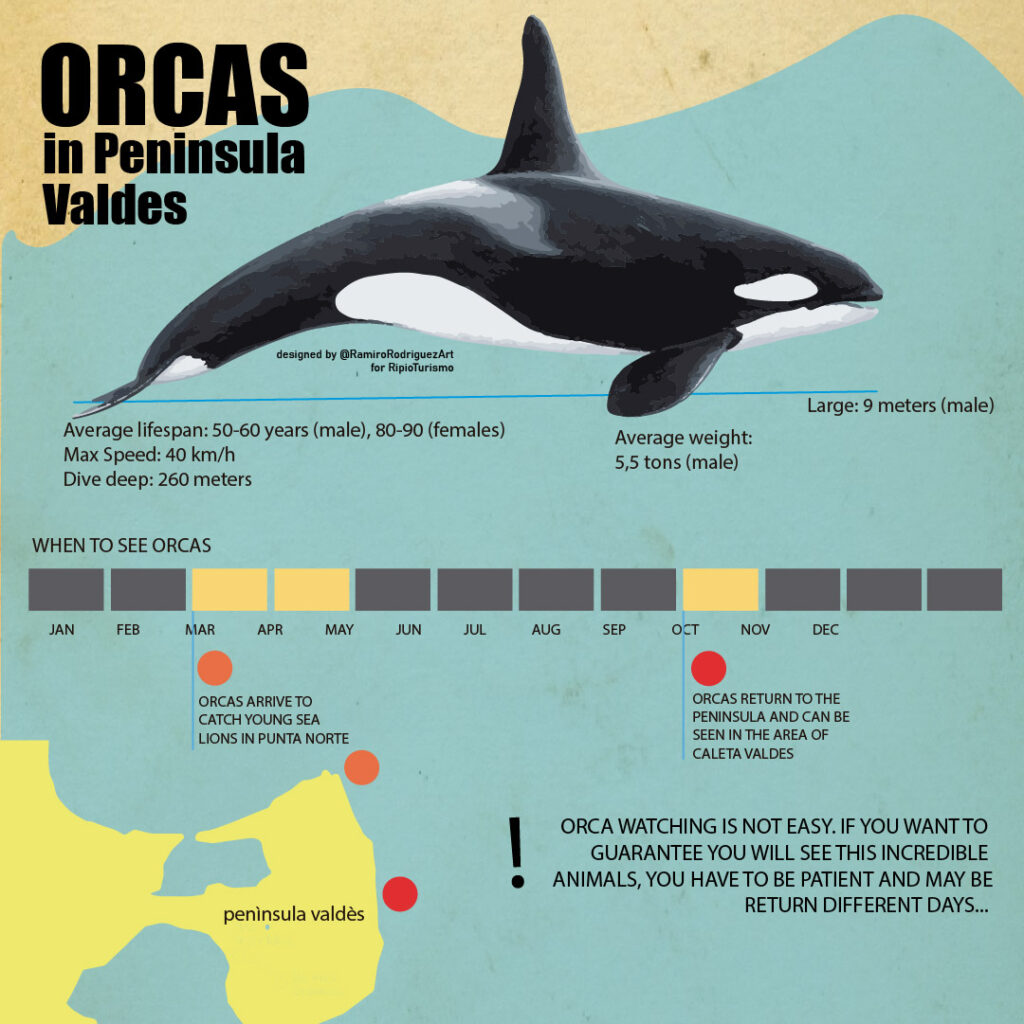
Southern elephant seals can also be observed throughout the year, although Punta Norte is not always their most concentrated public-viewing site. Their reproductive period around October and November can attract orcas that practice approaches near elephant-seal groups. Exact numbers change constantly; a wildlife calendar indicates probability, not attendance.
When can you see orcas at Punta Norte?
The best-known period is from February to April, when sea lion pups spend time near the water. A second opportunity can occur in October and November during the elephant-seal breeding period. These are windows of possibility rather than scheduled events.
High tide is essential to realistic planning. It brings animals closer to the cliff and allows orcas to approach the surf zone where intentional stranding can occur. The official administration recommends visiting at high tide, while the local tourism authority suggests arriving about two hours before the peak and remaining up to two hours afterward.
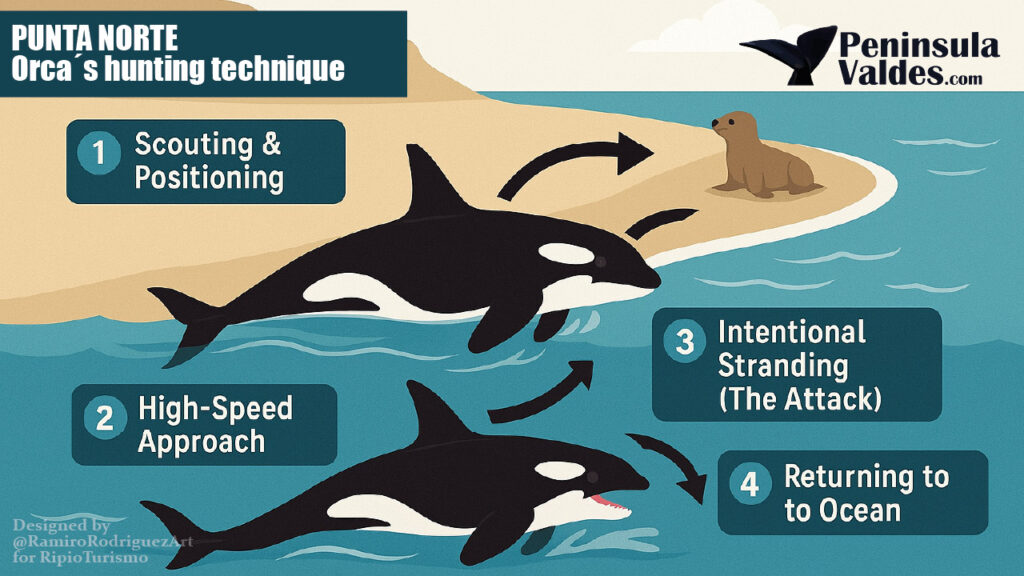
Even with the right month, high tide and calm weather, visitors may see no orcas. The animals choose when and where to hunt, and visibility can be affected by distance and sea conditions. Read the dedicated article on the Punta Norte orca hunting technique for the behavioral explanation; this visitor guide focuses on access and public infrastructure.
How long should you stay?
A normal stop may take 45–90 minutes, but an orca-focused visit often requires several hours around high tide. These are practical estimates, not official time limits. The drive is too long to treat Punta Norte as a quick detour, so build the rest of the day around the tide window and available daylight.
If you are combining Punta Norte with the nearby private penguin reserve at Estancia San Lorenzo, check reservation and meal timing before departure. The two places are geographically related but operationally separate: admission to the public Punta Norte unit does not include access to private estancia land.
What to bring
- Binoculars or a spotting scope for cliff-top observation.
- A telephoto lens rather than equipment that encourages approaching wildlife.
- Drinking water, snacks and a bag for all waste.
- Windproof clothing, sun protection and secure footwear.
- An offline map, local high-tide time and the official administration contact.
Orca Hunting in Peninsula Valdes: Estancia La Ernestina
Enjoy the amazing orca at the beaches of La Ernestina between March and May every year
Wildlife etiquette
Remain quiet at the observation area, avoid blocking the trail and give other visitors space to use fixed binoculars or railings. Never call, feed or imitate animals. Drones, loud conversations and sudden movement can disturb a colony even when the operator feels far away.
Follow the ranger’s instructions immediately. Rangers may know about a resting animal, a nest near the path or an unstable cliff edge that is not obvious to visitors. The best wildlife experience is the one that leaves the colony unchanged.
Punta Norte versus a private reserve
Punta Norte’s public unit provides regulated access to marked observation areas. Private estancias in the wider northern sector may offer different trails, meals, accommodation or access to their own coastline. These experiences require separate reservations and should never be assumed to be included with the protected-area entrance ticket.
A guide can also help distinguish species, read tide and behavior, and decide whether Punta Norte or Caleta Valdés is the better stop on a particular day. T
he general comparison between a guided tour and visiting Península Valdés independently is useful before choosing.
Frequently asked questions
Is Punta Norte open to the public?
Yes. It is one of the official public ranger units, currently listed as open from 08:00 to 20:00. Temporary closures remain possible.
Can you walk on the beach at Punta Norte?
No. Visitors use designated trails and viewpoints above the wildlife colony.
Are the trails wheelchair accessible?
The official administration describes the trails and viewpoints as accessible for people with disabilities. Confirm current surface and restroom conditions for individual needs.
Are there toilets and food?
Public toilets are listed. Do not rely on a restaurant, shop or potable-water refill; carry supplies from Puerto Pirámides.
Can a tour guarantee orcas?
No. A knowledgeable guide can improve timing and interpretation, but no ethical operator can guarantee a wild orca sighting.
For a full-day experience that chooses between Punta Norte and Caleta Valdés according to the season, the classic Península Valdés tour combines transport, interpretation and established visitor stops.
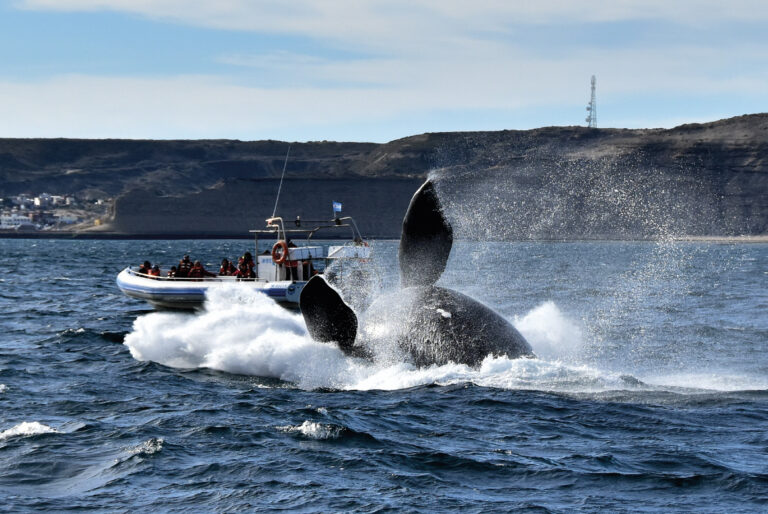
Classic Peninsula Valdes
Discover the natural wonders of Peninsula Valdés on this full-day adventure.
- Peninsula Valdes
From Price: USD 130
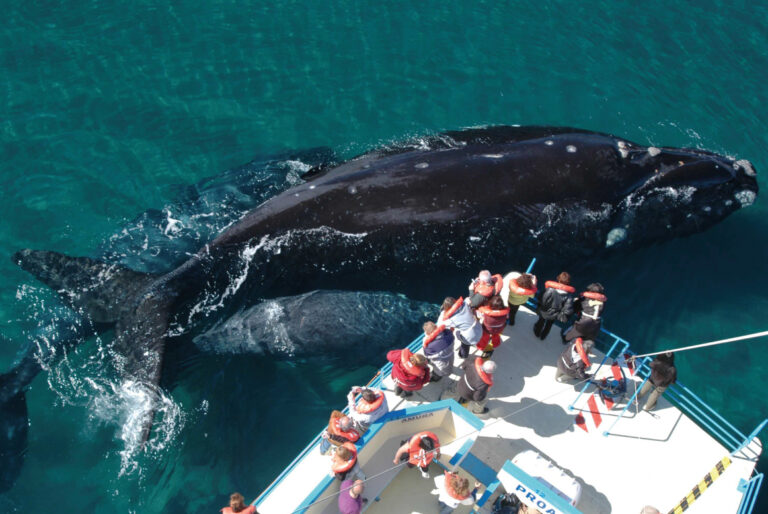
Discover Península Valdés – Low Cost Day Trip
A full-day budget tour from Puerto Madryn to Península Valdés with optional whale watching and scenic wildlife spots.
- Peninsula Valdes
From Price: USD 99