
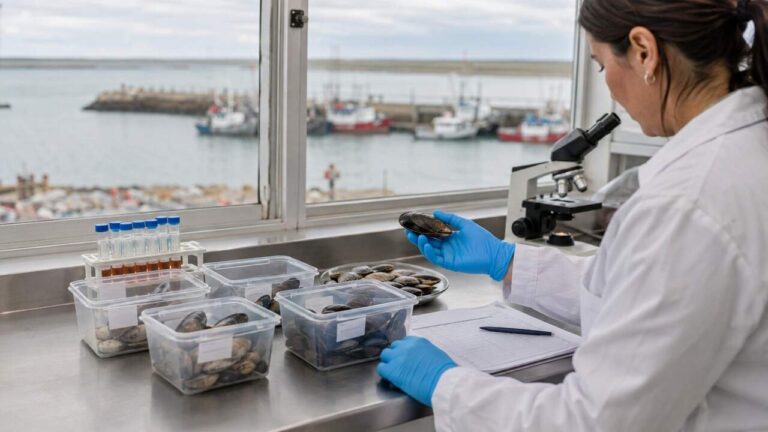
“Red tide” is the common name used for harmful algal events that can lead shellfish to accumulate marine toxins. The water may look normal, and cooking does not reliably make contaminated shellfish safe. Travelers should never collect mollusks from the shore and must follow the current Chubut provincial closure, not an old article or the apparent color of the sea.
What red tide actually is
Some microscopic algae naturally produce toxins. Filter-feeding bivalves such as mussels, clams and scallops can concentrate them without looking or smelling abnormal. Certain gastropods may also be included in official restrictions. Not every algal bloom is toxic, and a dangerous episode does not always turn the water red.
The rule that protects travelers
Consume shellfish only from an authorized commercial source with sanitary control and traceability. A provincial closure may prohibit extraction in one gulf or coastal zone while monitoring continues elsewhere. Its status can change after laboratory sampling, so check the latest notice from Chubut’s fisheries or health authorities on the day of purchase or collection activity.
| Situation | Safe response | Why |
|---|---|---|
| Shellfish found on beach | Do not collect or eat | Appearance cannot reveal toxins |
| Restaurant or licensed shop | Ask about authorized sourcing | Controlled supply chains are monitored |
| Old closure notice online | Verify current provincial status | Closures open and close with test results |
| Possible symptoms | Seek urgent medical help | Some marine toxins affect breathing |
Cooking, freezing and lemon are not solutions
Marine biotoxins associated with closures can resist normal cooking. Freezing, marinating or adding acid does not provide a dependable safety treatment. Removing the shell or selecting “fresh-smelling” specimens is also ineffective.
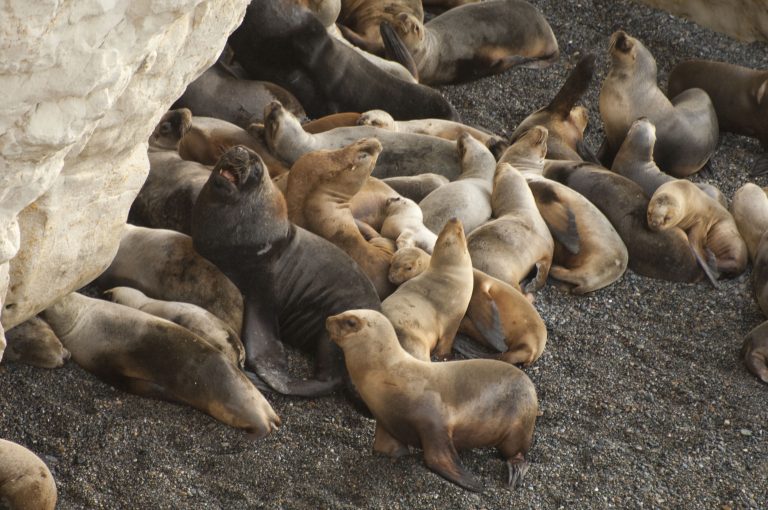
Cerro Avanzado Tour From Puerto Madryn
Unforgettable adventure: Encounter sea lions, enjoy panoramic views, and explore Cerro Avanzado's beauty. Book now!
- Adventure
From Price: USD 115
Symptoms require urgent attention
Depending on the toxin, symptoms may include tingling or numbness around the mouth, weakness, nausea, vomiting, dizziness or breathing difficulty. This is not a condition to watch casually at a hotel. Contact emergency medical services immediately and report what was eaten, where it came from and when.
Does red tide affect swimming or whale watching?
A shellfish-harvest closure is not automatically a general ban on beaches, swimming or boat excursions. Authorities may issue different instructions depending on the event. Follow local signage and official advice. Do not assume either that all activities are unsafe or that a normal-looking beach means shellfish are safe.
In travel operations, the sensible approach is to separate the dining decision from the excursion decision. We verify the official restriction and supplier traceability rather than canceling unrelated wildlife activities without an authority’s instruction.
Puerto Madryn & Puerto Piramides – 3 nights
Check best season to see whales and penguins in the area
Traveler checklist
- Never harvest shellfish yourself.
- Buy or order only from authorized sources.
- Check the latest Chubut closure notice.
- Do not rely on water color, smell or cooking.
- Seek urgent care for neurological or respiratory symptoms.
- Keep a receipt or supplier information when possible.
This guide explains the decision framework, not today’s legal status. The current provincial notice and on-site instructions always take precedence.
Puerto Madryn & Puerto Piramides – 4 nights
Check best season to see whales and penguins in the area
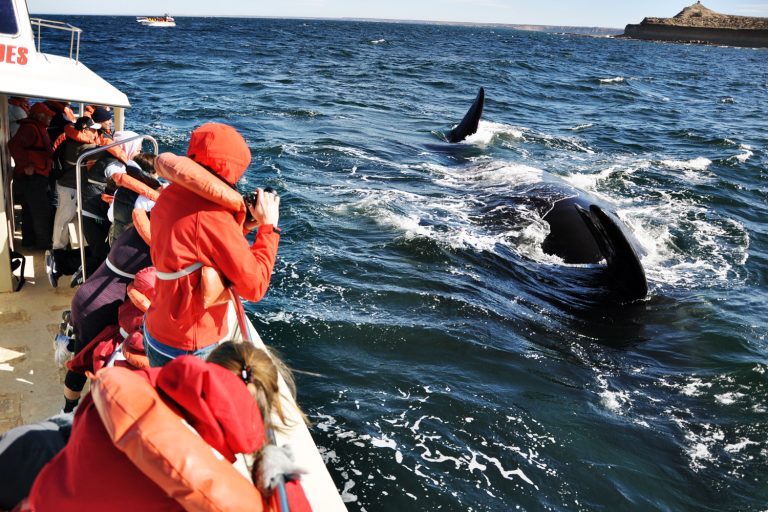
Puerto Madryn & Peninsula Valdes – 3 night traditional program
Check best season to see whales and penguins in the area


