Caleta Valdés is a public wildlife-viewing area on the exposed Atlantic side of Península Valdés, about 75 kilometers (47 miles) from Puerto Pirámides. Its official visitor circuit has two observation sectors roughly 5 kilometers apart: the Caleta Valdés area, where Magellanic penguins are seasonal residents, and Punta Cantor, overlooking beaches used by southern elephant seals and a small, stable South American sea lion colony.
The route is long and mostly gravel, but the reward is not a single close-up encounter. It is the combination of a remarkable coastal lagoon, open steppe, high viewpoints and wildlife that changes throughout the year. The operational unit has ranger staff, public restrooms, information panels, accessible paths and designated overlooks. The official schedule is currently 08:00–20:00, although road, weather or conservation conditions can alter access.
| Planning point | What to know |
|---|---|
| Access | About 75 km from Puerto Pirámides, mainly on gravel roads |
| Public areas | Two designated wildlife-viewing sectors about 5 km apart |
| Facilities | Rangers, public toilets, signs, accessible paths and viewpoints |
| Current hours | 08:00–20:00 for the operational unit; reconfirm before departure |
| Best condition | High tide generally brings marine mammals closer; sightings are never guaranteed |
Access and facility details were checked against the official Península Valdés administration on August 28, 2026. Always reconfirm road and unit status on the day of travel.
Puerto Madryn – 4 night traditional program
Check best season to see whales and penguins in the area
What is Caleta Valdés?
Caleta Valdés is a long coastal lagoon, or albufera, running approximately 35 kilometers from north to south. A narrow ridge of pebbles, gravel and sand separates it from the Argentine Sea, while a small opening at its southern end connects the lagoon to the ocean. Islands and shifting sediment inside the inlet make it one of the peninsula’s most distinctive landforms.
This geography matters to visitors because the reserve is more than a row of animal colonies. The elevated viewpoints reveal the sheltered water of the caleta on one side and the rougher Atlantic coast on the other. Wind, tide, light and the movement of animals can make two visits look completely different.
Classic Peninsula Valdes
Discover the natural wonders of Peninsula Valdés on this full-day adventure.
- Peninsula Valdes
From Price: USD 130
How to get to Caleta Valdés
Most visitors approach from Puerto Madryn through the Península Valdés entrance, stop at the Istmo Carlos Ameghino Visitor Center, continue toward Puerto Pirámides and then follow the signed internal circuit to the Atlantic coast. From Puerto Pirámides, the official distance to Caleta Valdés is about 75 kilometers.
The internal roads are gravel rather than paved. Their condition varies with maintenance, rain, wind and traffic, so driving time is more important than the distance alone suggests. Leave with enough daylight, reduce speed on loose gravel, keep a safe distance from other vehicles and watch for guanacos, rheas and other animals crossing the road. The protected-area administration advises travelers not to begin the remote eastern and northern circuits after 18:00.
Puerto Pirámides is the peninsula’s main fuel and supply point. There is no dependable mobile coverage across much of the internal circuit, so download an offline map, carry drinking water and do not rely on a café or shop being open at the wildlife unit.
Our guide to road conditions inside Península Valdés explains the self-drive considerations in more detail.
The two main observation sectors
Caleta Valdés penguin viewpoint
One observation sector looks toward a seasonal colony of Magellanic penguins. The first birds normally return in September. Many leave during March, while some remain into April to complete their molt before continuing their migration. Numbers and activity vary within that broad period, so a seasonal calendar should guide expectations rather than act as a guarantee.
Use only the marked paths and platforms. The viewpoint is designed to protect nesting and resting areas while still allowing visitors to observe behavior from above. Binoculars are more useful than trying to move closer, and a moderate telephoto lens is preferable to approaching wildlife.
Punta Cantor elephant-seal viewpoint
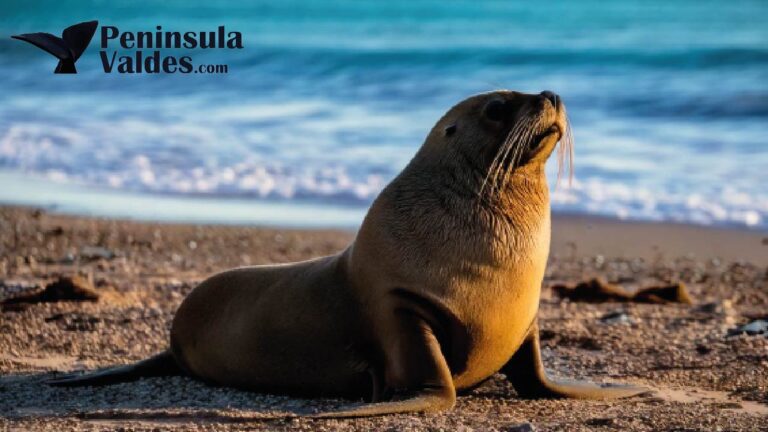
About 5 kilometers away, Punta Cantor overlooks a continental breeding colony of southern elephant seals. Spring is the most dynamic period, with adults gathering for reproduction and births. A small stable colony of South American sea lions also uses the spit that helps enclose the caleta.
The animals may appear small from the cliff, especially at low tide. That distance is intentional and safer for both wildlife and visitors. Plan to watch patiently rather than expect a beach-level encounter. For a broader comparison of colonies, read where to see elephant seals in Península Valdés, while noting that Punta Delgada’s public access status should be reconfirmed separately.

What wildlife can you see?
Caleta Valdés can support several different wildlife experiences, but not all occur together. Magellanic penguins are mainly a spring-to-early-autumn attraction. Elephant seals are present through much of the year, with the breeding season bringing the greatest concentration and activity. Sea lions use the area as well, while steppe species such as guanacos, choiques, tinamous, foxes and raptors may appear along the road.
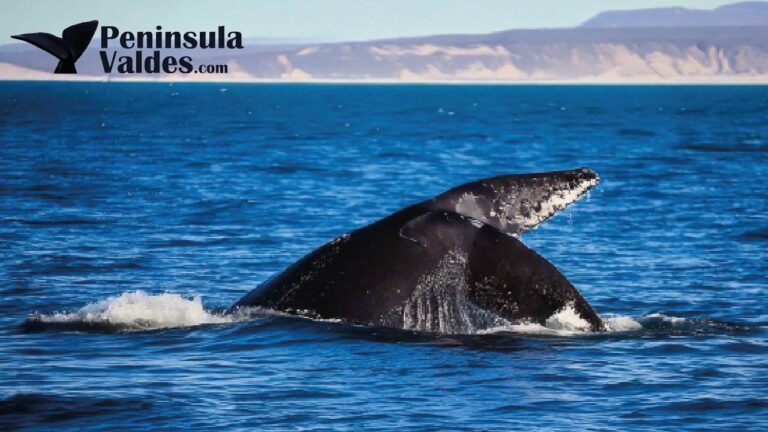
Orcas sometimes patrol the Atlantic shore and may use intentional stranding to hunt near colonies. The official administration recommends high tide because it brings marine mammals closer to the coast and is the condition under which orcas can approach the strand. Even then, an orca sighting is uncommon and cannot be promised. Southern right whales and dolphins are occasional offshore visitors rather than dependable features of every stop.
For month-by-month expectations across the whole destination, use the Península Valdés wildlife-season guide.
How tides affect the visit
High tide can reduce the distance between the cliff and animals at the waterline. It can also improve the possibility—never a certainty—of orcas approaching the coast. Low tide exposes more beach and makes the caleta’s sedimentary shapes easier to read, but marine mammals can look farther away.
Choose the tide according to your priority. If wildlife is the main goal, center the visit around local high tide and arrive early enough to settle at the viewpoint. If landscape photography is more important, light direction, wind and the exposed shore may matter just as much. Do not use Puerto Madryn’s tide time without checking the local correction for the eastern coast.
Facilities, accessibility and realistic visit time
The official unit lists public restrooms, ranger staff, information panels, accessible trails and viewpoints. “Accessible” describes the prepared visitor areas, but the overall trip still involves a long gravel drive, wind exposure and transfers from a vehicle. Travelers with mobility needs should confirm the condition of the specific path and restroom before leaving Puerto Madryn.
For itinerary planning, allow at least 60–90 minutes for both observation sectors, more if wildlife is active or if you are waiting through a tide window. This is a practical planning estimate rather than an official minimum. The drive means Caleta Valdés is normally part of a full-day peninsula circuit, not a short side trip from Puerto Madryn.
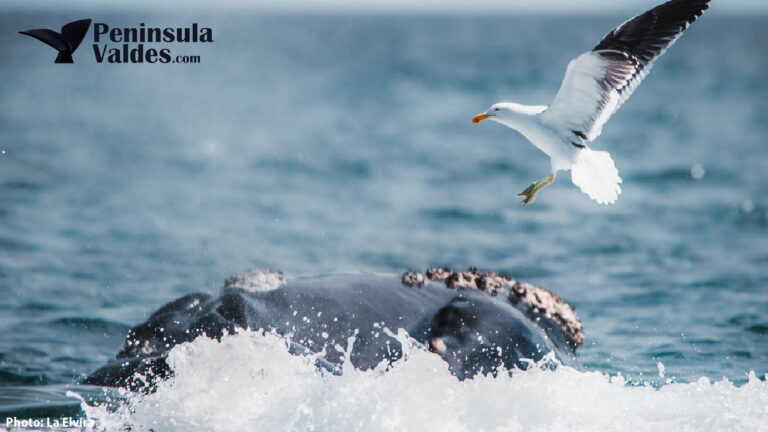
Peninsula Valdes from La Elvira Lodge
Visit Península Valdés from a hotel built 20 years ago, which was restored and transformed into La Elvira Natural Lodge, located within the peninsula.
Responsible viewing rules
- Remain on marked trails, platforms and authorized parking areas.
- Never descend a cliff or enter a beach to approach wildlife.
- Keep voices low and do not use food, sounds or drones to attract animals.
- Carry out all waste; general collection is limited inside the protected area.
- Follow ranger instructions even if a sighting appears outside the usual viewpoint.
Is Caleta Valdés worth the drive?
Yes, when the route fits your season and you value both geography and wildlife. Visitors who expect animals only a few meters away may find the cliff-top perspective demanding. Those who arrive with binoculars, time and realistic expectations usually understand why the caleta is one of the peninsula’s defining landscapes.
Frequently asked questions
Can you visit Caleta Valdés without a tour?
Yes. The designated public visitor areas can be reached by self-drive travelers when roads and the operational unit are open. A guide adds wildlife interpretation and removes the need to manage the gravel circuit independently.
Are there restrooms at Caleta Valdés?
Yes. The official visitor information lists public restrooms. Carry your own drinking water because a restroom tap should not be assumed to be a potable-water refill.
Can you walk onto the beach?
No. Wildlife is observed from marked paths and overlooks. Do not descend cliffs or enter closed coastal sectors.
Are orcas guaranteed at Caleta Valdés?
No. High tide creates better conditions for coastal approaches, but orcas are wild, mobile predators and sightings remain unpredictable.
If you prefer to combine Caleta Valdés or Punta Norte with Puerto Pirámides and the Istmo visitor center without managing the long drive, consider the classic Península Valdés tour. The actual wildlife stop is chosen according to season and conditions.
Classic Peninsula Valdes
Discover the natural wonders of Peninsula Valdés on this full-day adventure.
- Peninsula Valdes
From Price: USD 130
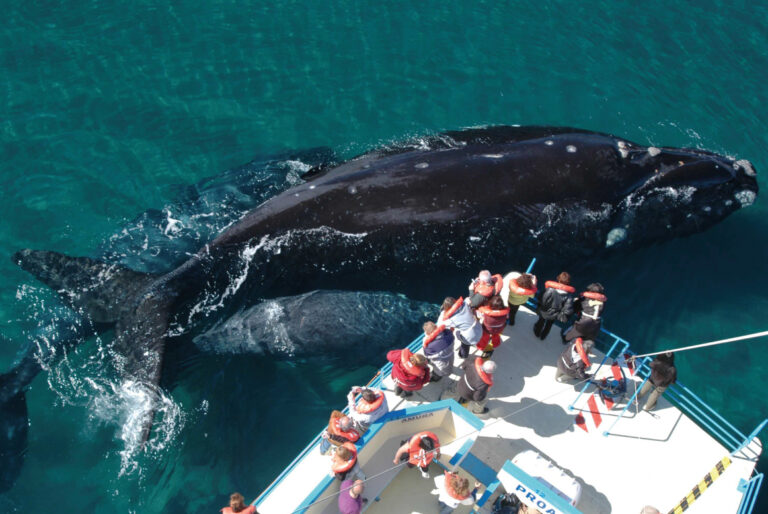
Discover Península Valdés – Low Cost Day Trip
A full-day budget tour from Puerto Madryn to Península Valdés with optional whale watching and scenic wildlife spots.
- Peninsula Valdes
From Price: USD 99